Why Free VPNs Are Dangerous (And What to Look For Instead)
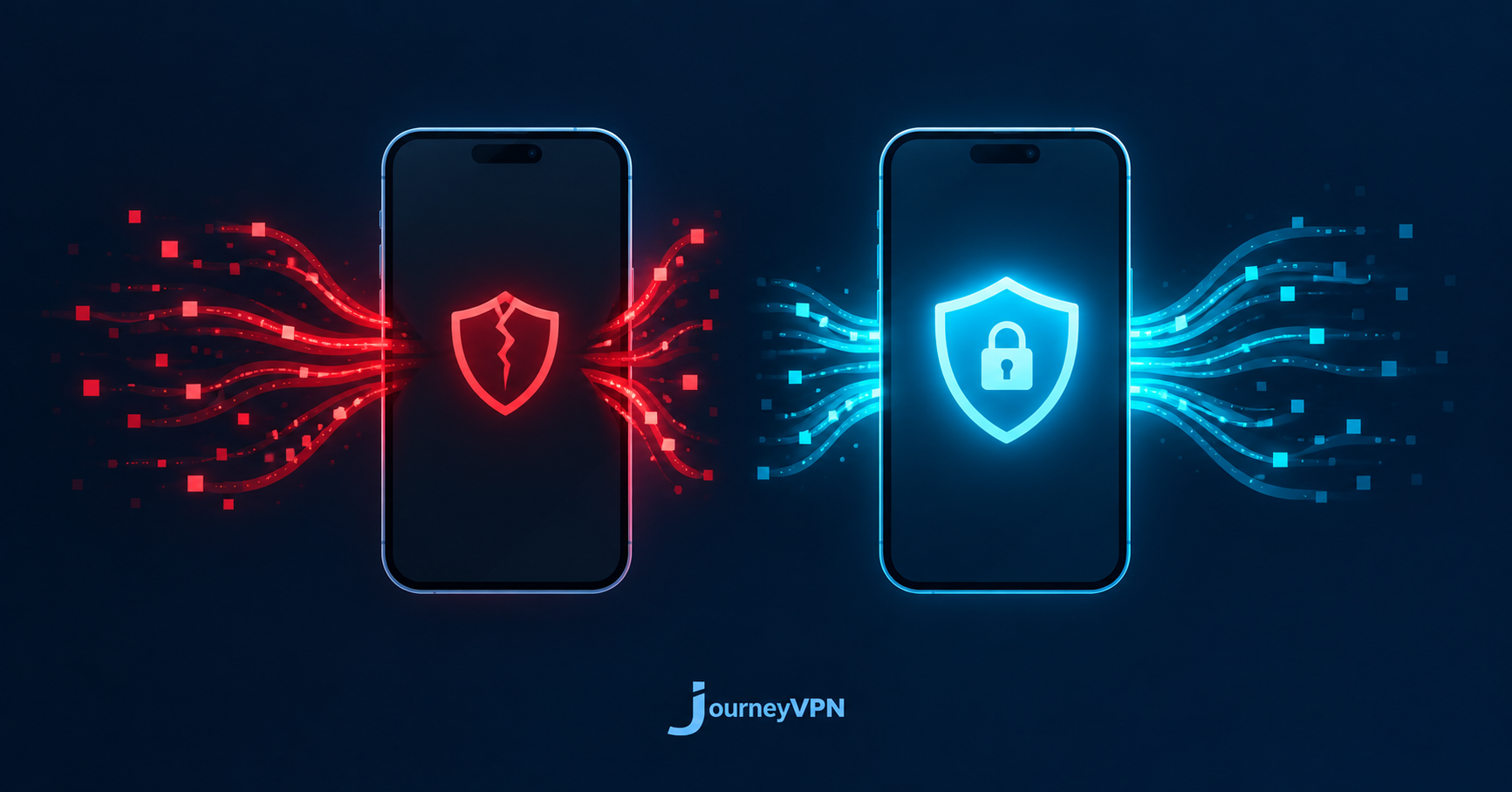
Why Free VPNs Are Dangerous (And What to Look For Instead)
The appeal of a free VPN is obvious—who wouldn't want privacy protection without paying for it? But many free VPNs come with serious hidden costs. Instead of paying with money, you often end up paying with your data, your privacy, and sometimes your device's security.
Here's what you need to know about the risks of free VPNs—and what genuinely trustworthy free options actually look like.
How Many Free VPNs Actually Make Money
Running VPN servers costs real money. If a company is offering a VPN for free and isn't charging users, it has to make money somewhere. The most common ways include selling your browsing data to advertisers, injecting ads directly into your web traffic, limiting speed and data to push upgrades, or logging your activity and selling it to third parties.
This doesn't mean every free VPN is malicious, but it does mean you should always ask: how does this product make money? If there's no clear answer, that's a red flag.
The Specific Risks to Watch For
Some free VPNs have been found to contain malware or spyware. Others have been caught logging and selling user data despite claiming a no-logs policy. A few have even been found routing users' connections through other users' devices—essentially turning your phone into a node in their network without your knowledge.
Data leaks are another common problem. Some free VPNs have poor technical implementations that result in DNS leaks or IP leaks, meaning your activity isn't actually protected even when you think it is.
What Makes a Free VPN Trustworthy?
A genuinely trustworthy free VPN has a clear, sustainable business model that doesn't depend on selling your data. The most credible models are ad-supported free tiers—with in-app ads rather than traffic injection—and freemium models where paying users subsidize free users.
Transparency matters too. Reputable providers publish clear privacy policies, explain exactly what data they do and don't collect, and ideally have undergone independent third-party audits of their no-logs claims.
What JourneyVPN's Free Plan Actually Does
JourneyVPN's free plan is funded by minimal in-app advertising—not by selling your data. We maintain a strict zero-logs policy: no activity logs, no DNS logs, no session data, no records of what you do online. That policy applies whether you're on the free plan or a premium subscription.
We're not the only trustworthy free option out there, but we're an example of what a legitimate free VPN model looks like: sustainable revenue from ads and premium upgrades, never from user data.
What to Check Before Installing Any Free VPN
Before you install any free VPN, check: Does it have a clear privacy policy? Does it explain its business model? Has it been independently audited? Does it have a history of credible operation? Taking five minutes to answer these questions can save you from handing your browsing history to the very service you thought was protecting it.